
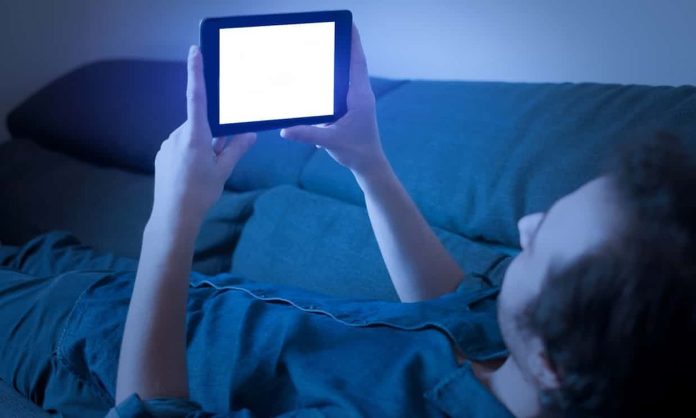
Blue light exposure has become one of the biggest hidden sleep disruptors for Gen Z, a generation that spends more time on screens than any before it. From smartphones and laptops to tablets, gaming consoles, and LED lighting, digital screens are now an essential part of daily life. But the constant exposure to blue light, especially during the evening and late-night hours, is directly impacting the natural sleep-wake cycle, leading to problems such as insomnia, poor sleep quality, and daytime fatigue.
Blue light is a type of high-energy visible light emitted by digital screens. While it is not harmful in short bursts, prolonged exposure—especially before bedtime—affects the body’s ability to produce melatonin, the hormone responsible for regulating sleep. Gen Z typically stays active on social media, streaming platforms, and messaging apps late into the night, making them more vulnerable to blue light exposure than older age groups.
The biggest issue arises from disrupted circadian rhythms. These natural internal clocks rely on light cues to understand when the body should be awake and when it should prepare for rest. When blue light hits the eyes after sunset, the brain becomes tricked into thinking it is still daytime. This delays the release of melatonin and pushes the sleep cycle further into the night, making it harder for Gen Z to fall asleep even when they feel tired. Many young people report lying awake for hours, scrolling through their phones, unaware that the very device in their hands is making it harder to fall asleep.
Late-night screen habits are also a major factor. Gen Z uses phones not just for communication but for entertainment, studying, online classes, music, and relaxation. Activities like binge-watching shows, playing mobile games, and late-night social media scrolling stimulate the brain and keep it active even after long hours of screen use. This mental stimulation, combined with blue light exposure, pushes the brain into an alert state, making it difficult to wind down naturally.
Sleep deprivation caused by blue light exposure also has noticeable effects on daily life. Many Gen Z individuals experience foggy concentration at school or work, lower energy levels, and decreased productivity. Poor sleep quality can also affect memory retention, making it harder to perform well academically. Mood changes are another common consequence; lack of sleep often leads to irritability, anxiety, stress, and emotional imbalance. Over time, chronic sleep loss can even weaken the immune system and increase the risk of health issues.
The impact of blue light does not stop there. As Gen Z increasingly uses digital devices for studying and remote activities, screen time during the day has also grown significantly. While daylight exposure helps maintain a healthy circadian rhythm, excessive blue light during nighttime hours has the opposite effect. Even LED room lights and smart bulbs can emit blue wavelengths that contribute to delayed sleep patterns.
Managing blue light exposure is becoming an essential part of maintaining good sleep hygiene for Gen Z. Simple adjustments such as enabling blue light filters or night mode on devices can significantly reduce the impact. Many smartphones now include built-in options that warm screen colors after sunset. Wearing blue-light-blocking glasses can also help minimize exposure, especially for those who work or study at night. Reducing screen use at least one hour before bedtime is one of the most effective steps to support natural sleep. Replacing late-night scrolling with calming activities like reading, journaling, or stretching can help signal the brain that it is time to rest.
Building a consistent sleep routine is equally important. Going to bed at the same time every night, even on weekends, helps regulate the internal clock. Dimming room lights in the evening, avoiding caffeine late in the day, and keeping digital devices away from the bed can further promote healthy sleep habits.
As digital dependency continues to rise, Gen Z faces a growing need to protect their sleep cycles from excessive blue light exposure. With mindful habits and simple adjustments, young people can restore their natural sleep rhythms and improve their overall well-being while still using the technology they love.

The author at The Union Herald is passionate about uncovering truth, amplifying diverse voices, and delivering content that informs and inspires. With a sharp eye for detail and a deep commitment to integrity, their work bridges communities through thoughtful analysis and impactful storytelling.