
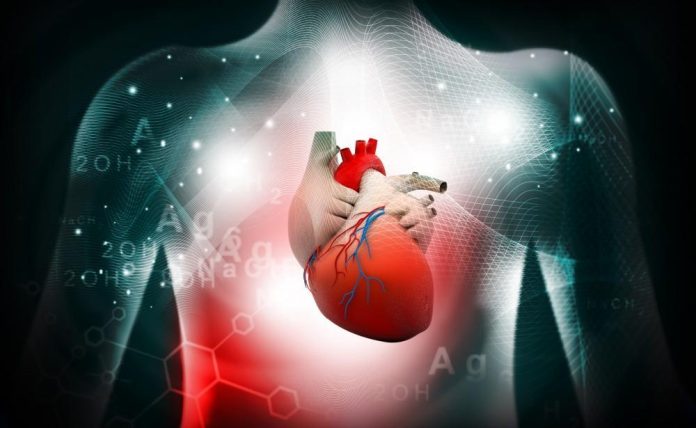
Heart artery blockage, a serious condition, affects the majority of people. This condition can lead to severe problems if it prevents blood from reaching important organs in the body, like the heart or brain. It is incredibly difficult to identify the numerous symptoms of obstructed arteries. This condition is only recognized following a life-threatening occurrence, such as a stroke.
The only way to identify whether your arteries are sporadically clogged may be through a screening test. One of these screenings is carotid Doppler ultrasound, which can check for blockages that may raise your risk of a stroke. To acquire a more thorough comprehension of the symptoms of obstructed arteries, please continue reading.
Because clogged arteries do not always exhibit any typical symptoms, the problem is frequently overlooked unless it leads to a medical emergency, such as a heart attack or stroke. Nevertheless, there may be early warning indicators, despite the fact that an artery may not develop a severe problem until it becomes obstructed. Angina is the result of a specific blood blockage in the blood vessel that supplies blood to the heart.
Heart palpitations, chest pain, perspiration, and breathlessness are all symptoms that can lead to these conditions. Mini-strokes may also occur when the brain is affected by a blockage. Potential symptoms include vision loss, impaired speech, and paralysis on one side of the body. Consequently, it is imperative to monitor these indicators and promptly seek the advice of a physician.
Cardiac screening is one of the tests that are conducted to ascertain whether an individual is at risk of having clogged arteries. Factors such as elevated cholesterol are assessed during this examination. If you are at a high risk of developing blockages, such as angina, there are specific tests that can be performed to check the interior of your arteries for blockage.
The risk of heart disease can be assessed using an echocardiogram, which is an ultrasound. Physicians can quantify the flow of blood through the arteries that supply the brain through a carotid Doppler screening. The primary objective of this screening is to evaluate the risk of stroke.
The detection of heart artery blockage can be somewhat difficult. It will be challenging to identify without screening. Conduct assessments that are tailored to the criteria outlined in this manual. If any problems are found during these tests, the blood flow through your clogged arteries may be enhanced, and the risk of developing more severe conditions may be reduced.

The author at The Union Herald is passionate about uncovering truth, amplifying diverse voices, and delivering content that informs and inspires. With a sharp eye for detail and a deep commitment to integrity, their work bridges communities through thoughtful analysis and impactful storytelling.